
A lot of the friction landlords deal with doesn't come from bad tenants. It comes from tenants who were never given a clear picture of what living in the property actually looks like. In Parker, Colorado, where rental demand keeps climbing, owners who take screening seriously often still run into avoidable disputes because the onboarding process, lease explanation, and day-to-day communication weren't handled with the same care.
Screening matters, and so does the work that happens right after. A thorough screening approach only gets you halfway there. What happens between approval and move-in, and then throughout the lease, tends to shape how long a tenant actually stays.
Data backs this up too. A Redfin review of 2023 U.S. Census Bureau data found that 33.6% of renters in the United States had lived in their current rental home for five years or longer. Retention isn't guaranteed by any single factor, but a rental experience built on clarity gives landlords a real shot at keeping good tenants longer.
Key Takeaways
- Organized onboarding gives new tenants confidence from their very first day in the home.
- Lease terms explained in plain language cut down on payment disputes and maintenance confusion.
- Steady, predictable communication is what actually earns tenant trust over time.
- Professional management brings consistency that's hard to replicate on your own.
- Preparation before move-in prevents most of the headaches that show up later.
Onboarding Sets the Tone for Everything That Follows
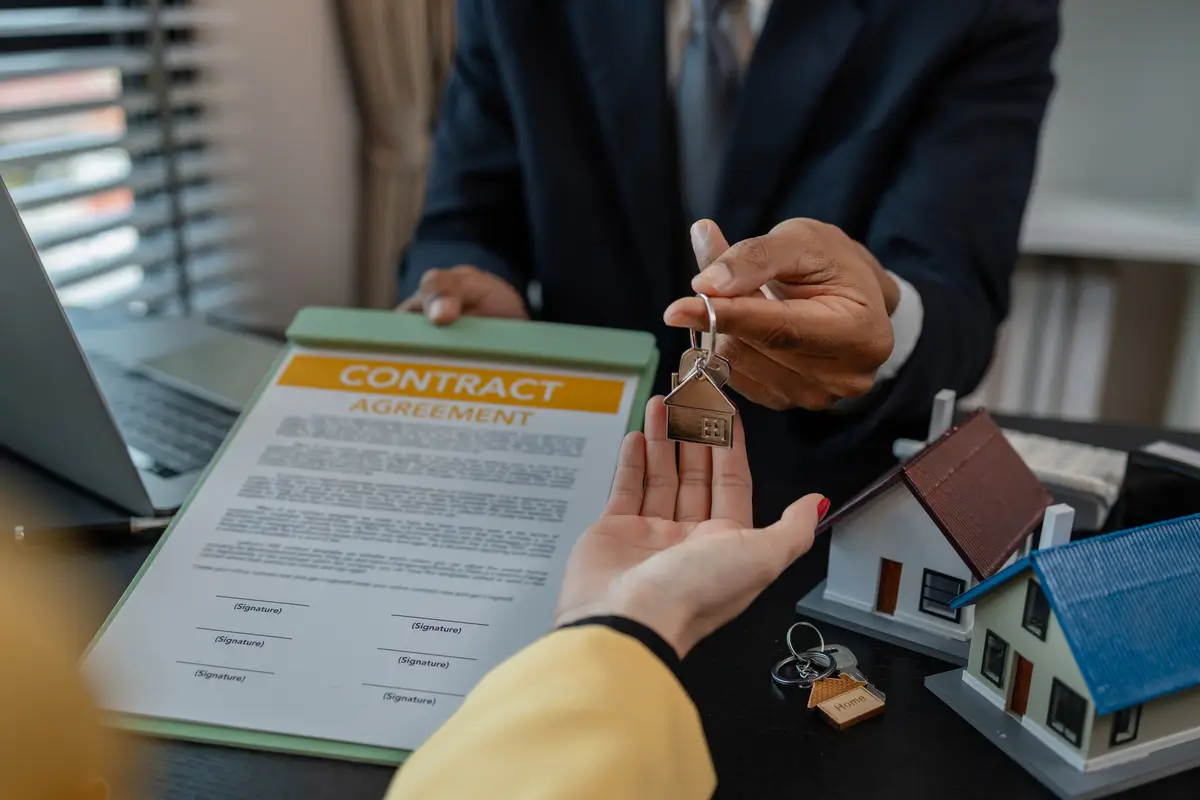
The first few days after a tenant gets the keys tend to define how the rest of the lease goes. When policies get explained clearly upfront, tenants aren't left guessing, and they're far more likely to ask questions before small issues turn into disputes.
What a Solid Onboarding Process Should Cover
A well-run onboarding conversation typically walks through:
- How and when rent gets paid
- Steps for reporting maintenance issues
- Response times tenants can expect
- Who to contact in an emergency
- Property-specific rules and restrictions
- What documentation is needed at move-in
Skipping any of these tends to create confusion that shows up months later, usually at the worst possible time.
Fair Treatment Builds Long-Term Trust
Every tenant should get the same baseline information, regardless of how experienced they are as renters. Standardizing the process removes any sense of favoritism and makes sure nothing important slips through the cracks. Landlords who screen applicants carefully but skip this step often find themselves fielding the same questions repeatedly from different tenants.
Lease Terms Only Work If Tenants Actually Understand Them
A lease is a legal document, but it's also a communication tool. Handing someone forty pages to sign without walking through the key sections almost guarantees confusion down the road.
Payment Terms Need to Be Spelled Out, Not Assumed
Tenants should walk away from the lease conversation knowing exactly:
- When rent is due each month
- Which payment methods are accepted
- What triggers a late fee
- Whether a grace period applies
- What happens if a payment gets returned
None of this should be left to interpretation.
Maintenance Responsibilities Deserve Real Examples
A lot of disagreements happen simply because tenants don't know which repairs need immediate reporting versus which ones can wait. A burst pipe or a furnace failure in January is an emergency. A loose cabinet hinge isn't. Giving concrete examples helps tenants make that call correctly the first time.
Property Care Expectations Prevent Bigger Repairs
Owners should be upfront about cleanliness standards, appliance care, smoke detector testing, and seasonal outdoor upkeep. A five-minute conversation now often saves thousands in repairs later.
Communication That Doesn't Wait for a Crisis
Trust isn't built through one good conversation. It's built through consistency over months and years. Tenants want to know what to expect, and owners benefit when communication follows a routine rather than only kicking in once something's gone wrong.
Regular touchpoints might include maintenance scheduling updates, inspection reminders, seasonal property notices, and lease renewal timelines. None of these need to be dramatic. They just need to happen reliably.
Written records matter here too. Inspection reports, maintenance logs, and documented conversations give both sides something concrete to reference if a disagreement ever comes up.
Renter Expectations Have Shifted, and Parker Landlords Should Notice
Today's renters expect more transparency and faster responses than tenants did even five years ago. According to Zillow's Consumer Housing Trends Report 2024, 66% of recent renters said that seeing lease terms, rent amount, and fees was essential when deciding which rental home to choose, while 55% considered meeting or speaking with the landlord or property manager essential. That's a clear signal that upfront clarity isn't optional anymore; it's what renters are actively looking for before they sign anything.
Smart home features are part of that shift too. Parker renters increasingly expect connected features in their rentals, from keyless entry to smart thermostats, and properties that offer these tend to stand out in a competitive market.
Professional Management Removes the Guesswork
Trying to manually recreate a consistent onboarding and communication process for every single tenant is exhausting, and it's where most independent landlords eventually burn out. Professional management builds these systems once and applies them every time.
Predictability Is What Keeps Tenants Around
Tenants respond well to consistency. Fair enforcement, timely follow-up, and dependable communication all reinforce the sense that the property is being managed with care, not just checked in on occasionally.
Preparation Beats Reaction Every Time
No system eliminates every possible issue, but thorough preparation cuts down on the ones that show up most often. That preparation starts before the lease is even signed and continues through the full length of the tenancy.
Owners can also strengthen this process through creative leasing incentives that make properties more attractive to qualified applicants while keeping vacancy periods short. Understanding your true vacancy costs can also help you see just how much a rushed leasing process actually costs over time. And if you're unsure whether your current approach is working, a free rental evaluation can highlight gaps before they turn into bigger problems.
For owners looking to build a more structured approach to managing their properties, these resources for property owners walk through what a well-run rental operation actually looks like from the ground up.
FAQs about Tenant Retention in Parker, CO
What's the biggest onboarding mistake landlords make?
Handing over the keys without walking through property specifics in person. A rushed handoff leaves gaps that surface weeks later as confusion, missed rent deadlines, or maintenance requests sent to the wrong place entirely.
How often should I check in with tenants after move-in?
A short follow-up within the first two weeks catches most early issues. After that, quarterly touchpoints or seasonal reminders keep communication active without feeling intrusive or overly hands-on.
Can inconsistent enforcement of lease rules hurt tenant relationships?
Yes. Tenants notice when policies apply differently from one situation to the next. That inconsistency breeds resentment faster than strict rules ever would, and it often leads to disputes down the line.
What should I do if a tenant repeatedly misunderstands the same policy?
Revisit how that policy was originally explained. Confusion that keeps resurfacing usually points to unclear wording in the lease or onboarding materials rather than a problem with the tenant.
Does written documentation actually protect landlords in disputes?
Generally, yes. Email confirmations, signed acknowledgments, and dated inspection notes give both parties something concrete to reference, which often resolves disagreements before they escalate further.
Clarity Is the Foundation Every Successful Lease Is Built On
Keeping good tenants in place for the long haul takes more than a solid screening process. It takes clear onboarding, lease terms tenants actually understand, and communication that doesn't disappear once the lease is signed. At PMI Parker, we help property owners across Parker build rental experiences that hold up over time, backed by organized systems and consistent follow-through from day one.
Every tenancy built to last starts with the right foundation. Simplify your tenant screening process and see how we help Parker property owners set up leases that stick.